Who Owns the Machine? Terminal Choices and Their Cost to Bristol Traders
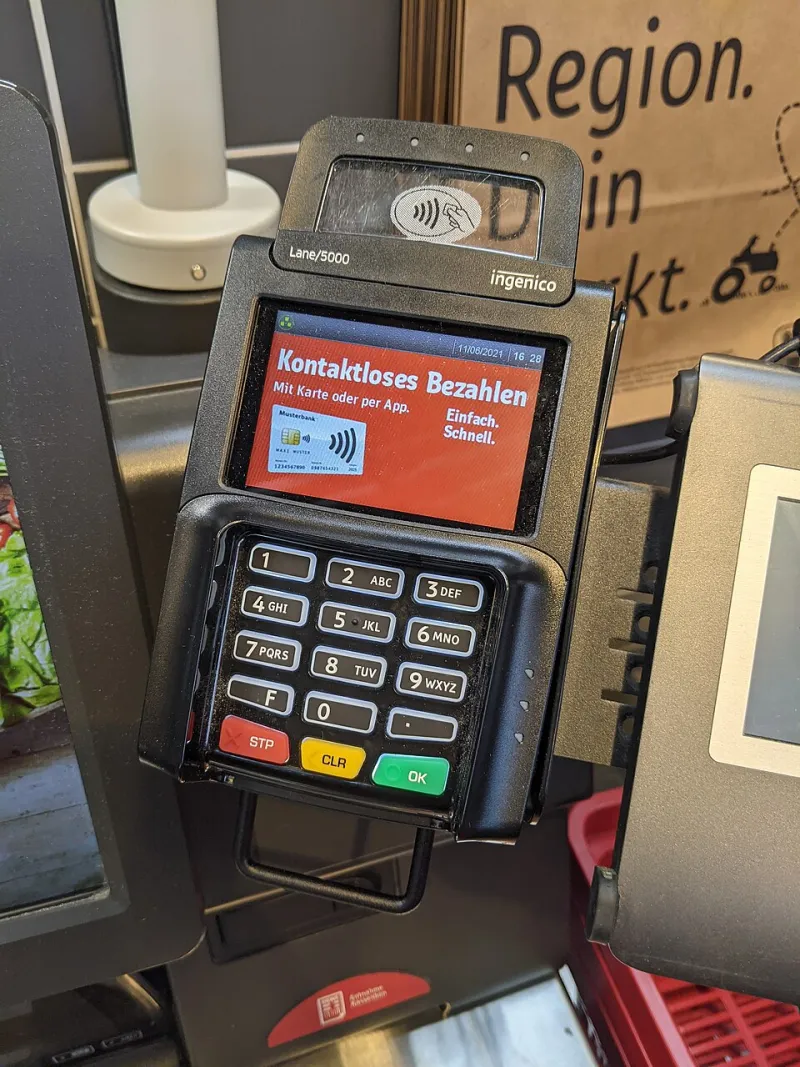
Photo: Anselm Schüler, CC BY-SA 4.0, via Wikimedia Commons
For many Bristol independents, the card terminal is chosen in the same conversation as the processing rate. That is understandable, but it can obscure a separate commercial decision. The hardware — who owns it, who maintains it and who takes it back at the end — has its own three-year cost and its own effect on control. A shop on Gloucester Road, a service business in Clifton or a market trader at St Nicholas Market may reach different conclusions from the same set of facts.
There are three common routes: buying the terminal outright, renting or accepting a supplied terminal under an acquirer agreement, and using a phone-based reader. Each is presented below on its own terms, with the caveat that processing fees are separate and vary with turnover, average transaction value and negotiation.
The three routes, plainly described
An outright purchase means the business buys the hardware from a terminal supplier, reseller or sometimes the acquirer. The machine is an asset. Processing can be arranged separately, although some terminals are locked to a particular acquirer through software or encryption. The attraction is control and a finite hardware cost; the drawback is that maintenance and replacement become the business's responsibility.
Renting, or accepting a supplied terminal, usually means the acquirer provides the equipment for a monthly fee or as part of a bundled agreement. The terminal remains the acquirer's property. This can include servicing and replacement, but it often comes with a minimum contract term, notice requirements and return conditions. A terminal supplied at no upfront cost is still a rental in economic terms; the cost is recovered through the agreement.
A phone-based reader uses an app on a smartphone or tablet, paired with a small card reader. The reader is inexpensive and the handset is usually already owned. This route suits lower and less predictable volumes, but it can become expensive at scale if the processing rate is higher than a negotiated countertop rate. It also offers fewer hardware options for printed receipts, cash drawers and fixed counter setups.
A three-year ledger, not a monthly one
Monthly figures flatter rental and phone-based arrangements because the upfront cost is small or absent. A three-year view is more useful. Consider an illustrative Bristol retailer with £10,000 of card turnover a month and an average card transaction of £22, or roughly 450 transactions monthly. Hardware costs alone might look like this.
Buying: a countertop terminal might cost £250 to £450, with a spare reader or backup machine adding £50 to £150. Over three years, the hardware outlay is largely fixed, although a replacement may be needed. The business also decides whether to insure or self-insure.
Renting: a monthly terminal charge of £15 to £35 is common, which is £540 to £1,260 over three years. That may include replacement and software updates. The commercial question is whether the service and the contract terms justify the total, not whether the monthly figure feels small.
Phone-based: a reader might cost £30 to £80, with replacement readers over three years taking the total to perhaps £60 to £200. The handset is assumed to be owned already. The hardware saving can be real, but it should be weighed against any difference in processing rate. On £120,000 of annual card turnover, an extra half a percentage point in processing cost is £600 a year. That can outweigh the hardware saving quickly.
These are indicative figures, not quotes. The principle is to compare total cost over the likely contract term and to separate hardware cost from processing cost.
Maintenance, replacement and the Saturday problem
The most revealing question is not what the terminal costs but what happens when it stops working. A Bristol shop trading on a Saturday cannot wait until Tuesday for a replacement if the machine fails at opening time. The answer differs by route.
With an outright purchase, the business can hold a spare terminal or a phone reader as a backup. That is a real cost, but it is also real resilience. Some suppliers offer next-business-day replacement; others require the faulty unit to be returned first. A retailer should know which applies before the Saturday in question.
With a rental, replacement is usually included, but the service level matters. Next-business-day cover may mean Monday for a Saturday failure. A market trader or a weekend-heavy business should ask specifically about weekend dispatch and whether a loan terminal is available. The contract may also require the faulty terminal to be returned within a set period, with charges for late return or damage.
With a phone-based reader, the backup is often another reader or another handset. That is convenient for a small trader, but it depends on mobile signal and on the app remaining available. A basement café or a period building with thick walls may find that connectivity, not hardware, is the weak point. The terminal choice should not be made without considering the signal and power arrangements at the counter.
Exit terms and portability
Ownership does not always mean portability. A bought terminal may be locked to a particular acquirer or software platform, which means it cannot simply be taken to a new provider. Before buying, a business should ask whether the terminal is encrypted to a specific acquirer, whether it can be re-pointed, and what the supplier charges to do so.
Rental agreements should be read for minimum term, notice period, early termination charges and return conditions. A three-year agreement with an auto-renewal clause is a different proposition from a rolling monthly arrangement. The return condition matters too: charges for missing cables, damaged casing or a missing box can erode the apparent saving.
Phone-based readers are usually the least locked to hardware, but the app and the processing agreement still have terms. The business should check whether the reader can be used with another provider, and what happens to stored transaction data if the service is closed.
What to ask before signing
A short list of questions will expose most of the commercial difference between the routes. What is the total hardware cost over the expected contract term? Is replacement included, and at what service level? Is the terminal locked to the acquirer? What are the notice and early termination terms? What is the process for returning equipment? Can the business use a spare terminal or phone reader as a backup without breaching the agreement?
The answers matter more than the label on the agreement. A bought terminal suits a business that values control and is prepared to manage a spare. A rental can suit a business that wants predictable support and is confident about the contract length. A phone-based reader suits a low-volume or mobile trader, provided the processing rate is checked against realistic turnover.
The decision is not really about which machine looks best on the counter. It is about who carries the cost of failure, who owns the asset at the end, and whether the business can leave without paying for the privilege. For a Bristol independent, those are commercial questions first and technical questions second.