Pounds, Not Prompts: Setting a Currency Policy for Bristol's Visitor-Facing Card Machines

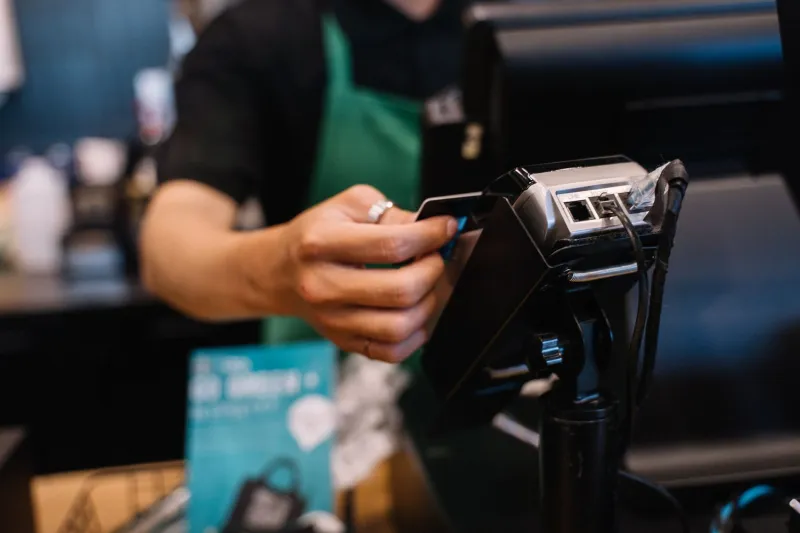
A visitor from Germany buys a ceramic bowl in a Bristol shop. The terminal asks whether they would like to pay in euros or pounds sterling. The customer hesitates, the queue lengthens, and the member of staff behind the till has no ready answer. That small moment is dynamic currency conversion, and it deserves a policy rather than an improvisation.
What the terminal is actually asking
Dynamic currency conversion, usually shortened to DCC, converts a card payment into the customer's home currency at the point of sale. The customer sees an amount in euros, dollars or another currency, alongside the sterling amount. If they accept the conversion, their card is billed in that currency. The merchant still settles in pounds sterling through their acquirer.
The conversion is not a separate fee shown on the customer's receipt. The cost sits inside the exchange rate the terminal applies. That rate is set by the DCC provider, not by the customer's bank, and it normally includes a margin. The customer may avoid a foreign transaction fee from their own card issuer, but they may pay more through the terminal's rate. The two effects do not always cancel out.
For the business, DCC can produce a small share of that margin. It can also produce nothing at all. The arrangement depends on the terminal provider and the contract. Some statements show DCC income as a separate line; others bury it in processing totals. A Bristol trader should know which applies before deciding whether the prompt is worth keeping.
Where the money goes
The commercial logic of DCC is easy to misread. The customer is not being charged a visible commission at the till. The margin is embedded in the converted amount. That makes it less transparent than a card fee and harder for counter staff to explain. It also means the customer cannot easily compare the terminal's rate with the rate their own bank would have used.
In practice, the DCC provider takes most of the margin. The merchant may receive a modest incentive, often expressed in basis points, or may receive no share. The customer may pay several percent more than they would have paid in sterling, depending on the rate applied. Whether that is good or bad for the customer depends on their card issuer's foreign transaction fee and the rate their bank would have given them. Neither party can know that at the till.
This is why DCC should be treated as a pricing decision, not a technical setting. If the commission is trivial, the business is taking on customer confusion for very little return. If the commission is meaningful, the business still needs a counter script that does not pressurise the visitor.
The Bristol context
Bristol's visitor economy is not confined to one postcode. Harbourside attractions, Clifton village shops, the Old City, Christmas markets and independent cafés all see overseas cards. A shop near the waterfront may process several foreign cards an hour in summer. A service business in a residential suburb may see one a month.
That difference matters. In a busy tourist-facing shop, a currency prompt adds seconds to every affected transaction and creates a recurring training burden. In a quieter specialist retailer, staff may have time to explain the choice properly. The right policy therefore depends on footfall, staff turnover and the proportion of foreign-issued cards, not on a generic recommendation from a terminal salesperson.
There is also a reputational point. Bristol independents trade on directness and good service. A customer who feels steered into a worse exchange rate may not complain at the time, but they may remember the shop. A clear, neutral policy protects the business from that outcome.
A counter policy in four steps
First, decide the default. For most Bristol businesses, the sensible default is pounds sterling. The customer can still be offered the choice, but the terminal should not present the home-currency option as the natural or recommended one. If the terminal allows DCC to be disabled entirely, consider whether that is simpler than training staff to manage a prompt.
Second, write a short script. It should be factual and non-directive: 'The machine can charge you in euros or pounds. Pounds means your bank does the conversion; euros uses the machine's rate. Which would you prefer?' Staff should not say 'euros is better' or 'everyone chooses euros'. They should not guess the customer's bank fees.
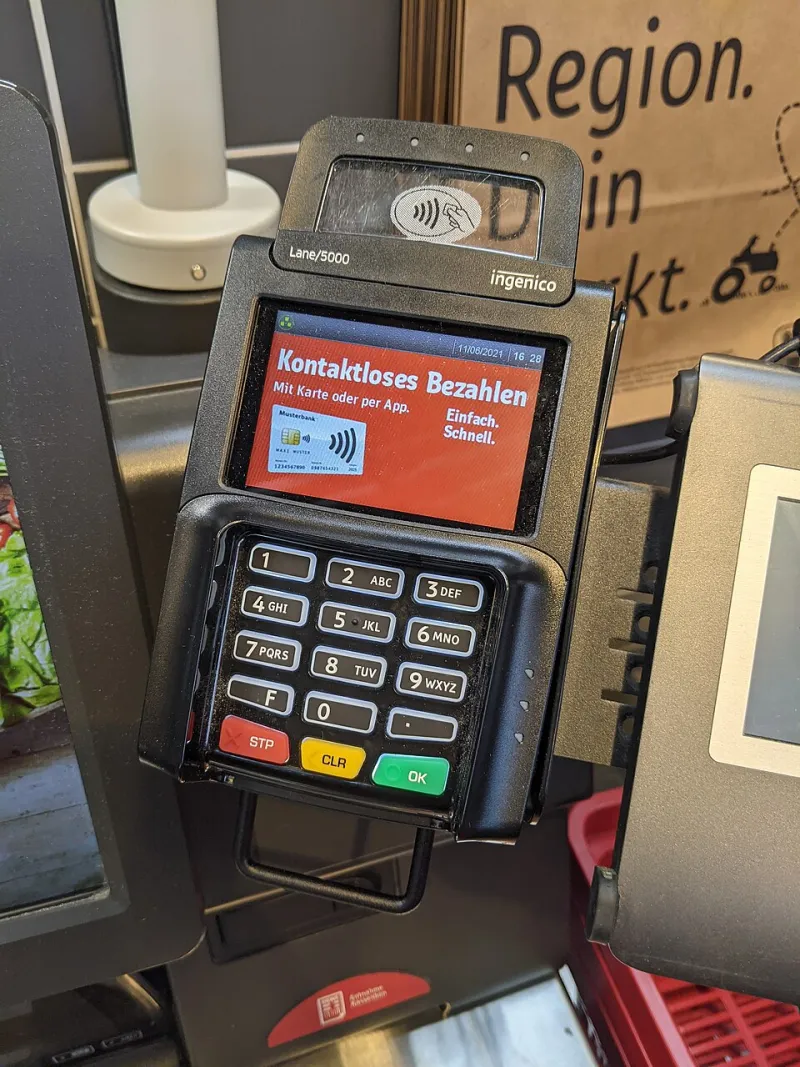
Third, support the script with a till notice or a line on the card terminal. The notice should explain that the choice is optional and that the exchange rate is set by the terminal provider. Keep the wording plain. Avoid small print that only appears after the customer has already pressed a button.
Fourth, train and review. Include DCC in induction for seasonal staff. Test the terminal before a busy weekend. Check whether the default has reverted after a software update. Review the policy quarterly against complaint logs and staff feedback.
When switching off makes sense
Switching DCC off is often the better commercial choice. It makes sense where staff turnover is high, where queues are long, where the commission is negligible, or where customers have already begun to question the practice. A premium independent whose reputation rests on transparent pricing may decide that the small DCC share is not worth the risk of a visitor feeling misled.
Keeping DCC switched on can be defensible where the business has a stable team, a clear script, a terminal that discloses the choice properly, and a commission that justifies the administrative effort. Even then, the default should normally be sterling. The customer should be making an active choice, not accepting a preset.
Contract checks and record-keeping
Before changing the setting, read the terminal contract for any notice period or minimum DCC volume. Ask the provider how DCC income is reported and whether the rate includes a merchant share. Keep a written copy of the counter policy and note the date the terminal was reconfigured. If a customer later disputes the conversion, the business should be able to show what it told them and when.
DCC is not complicated in itself. The difficulty is that it arrives at the busiest point in the transaction. Bristol businesses that decide the policy in advance, put it in plain words and give staff a script will handle it better than those that let the terminal ask the question and hope for the best. Pounds first, choice clearly offered, no improvisation: that is a defensible position for a visitor-facing till.