The Deferred Sale: What In-Store Buy Now, Pay Later Really Costs a Bristol Independent
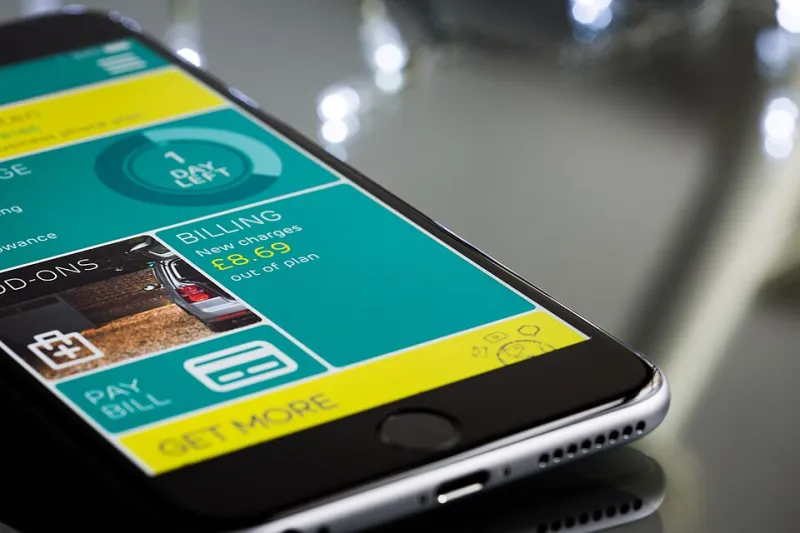
Photo: Torsten Dettlaff, CC BY-SA 4.0, via Wikimedia Commons
Buy now, pay later used to be an online story. A customer browsing at home split a purchase into three, the retailer never saw the customer's creditworthiness, and the shop floor was unaffected. That has changed. Terminal providers and EPOS platforms now push instalment options into the physical counter, usually as a QR code printed on a receipt or a button on the card machine. For a Bristol independent weighing up whether to switch it on, the useful question is not whether the product is popular. It is whether the deferred sale, at your average transaction value and your gross margin, leaves you better off than the card payment you would otherwise have taken.
How the money actually moves
There are two mechanics in the market and they behave differently at the till.
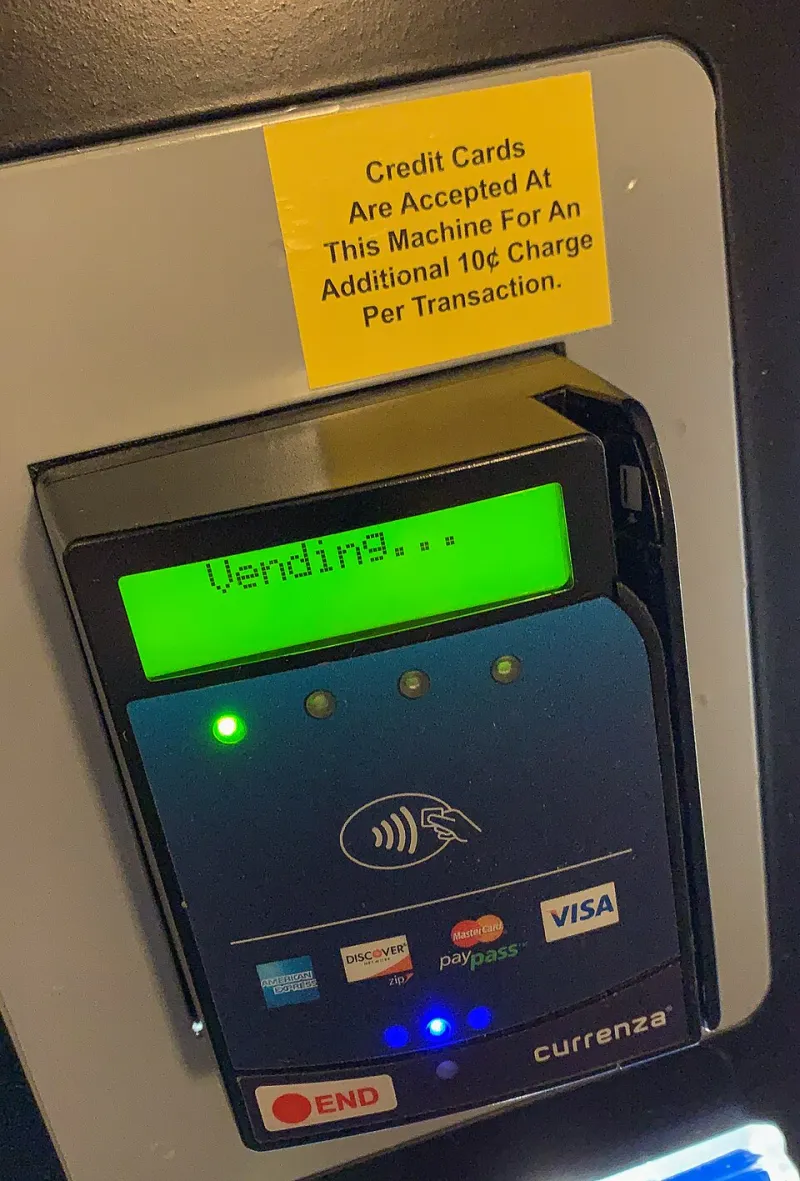
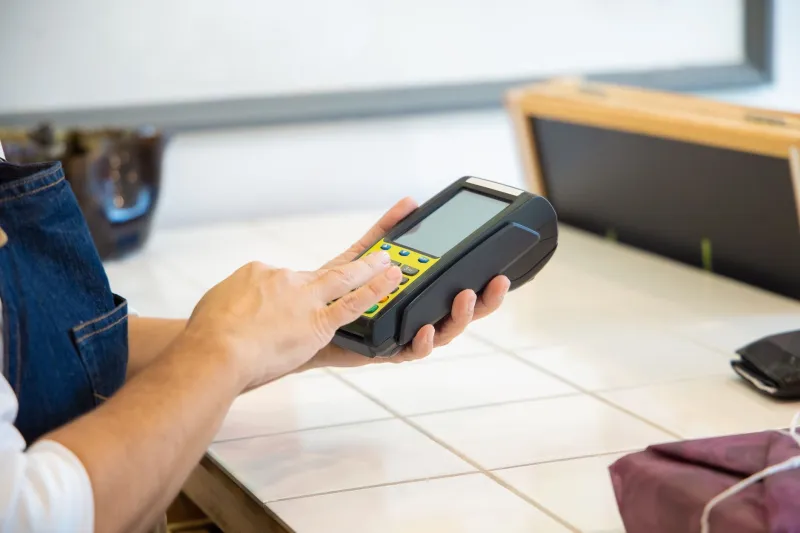
The first is the virtual card. The provider issues a single-use card number for the value of the purchase, which is processed through your existing terminal as an ordinary card transaction. The customer's instalments are then collected by the provider. From your side this looks like a card sale, which is convenient, but it also means the transaction carries the provider's card characteristics rather than the customer's.
The second is the direct integration. The customer scans a code at the counter, approves a plan in the provider's app, and the provider settles the funds to you directly on its own timetable — often the next working day, sometimes weekly. This route usually needs a software integration rather than just a terminal.
Either way, you are paid in full and on time. The provider carries the instalment risk. That is the substance of what you are buying: not a payment method so much as a credit facility attached to your till.
What it costs, in numbers
In-store BNPL is priced like a premium card, not like a debit card. Merchant rates commonly sit between 3% and 6% of transaction value, often with a small fixed fee per sale. Set that against a UK debit card at roughly 0.3% to 0.5%, or a credit card at around 1.5%.
The gap only makes sense at certain ticket sizes. A Gloucester Road bike shop selling a £450 commuter bike at, say, 4% plus 30p pays about £18.30 for the sale. If the instalment option is what converts a hesitating customer, £18 is cheap. If the customer would have bought anyway with a debit card costing £1.80, you have spent £16.50 to change nothing.
That is the whole calculation, and it turns on two things you can actually measure: your average transaction value and your conversion rate on the products you would flag. A shop selling £12 lunches will struggle to justify the rail. A shop selling £300 optics, £600 sofas or £900 of dental work is in different territory.
Refunds and the double ledger
This is where in-store BNPL creates operational work that a card payment does not.
When a customer returns an item bought on instalments, the refund normally has to be issued twice: once in your EPOS or terminal to reverse the original transaction, and once in the provider's merchant portal so the customer's plan is adjusted or cancelled. Partial refunds are the awkward case. Return one of three items and the plan may not automatically recalculate; the customer can end up continuing to pay instalments against goods they have handed back, which is a complaint waiting to happen.
The practical answer is a written procedure. Whoever processes returns at your counter should know the provider portal login, the refund window and the order in which the two reversals happen. Without that, a refund that should take ninety seconds becomes a phone call to support on a Saturday afternoon.
Disputes and the customer relationship
On chargebacks, the position depends on the mechanic. With the virtual card model, the transaction is a card payment, so it falls inside the usual dispute machinery — and the provider, not the customer's bank, is likely to be the counterparty. Evidence requirements are the same as any card dispute: signed delivery, till receipts, your terms.
On the regulatory side, deferred payment products have sat outside mainstream consumer credit rules for years and the position remains in transition as the FCA's regime is phased in. That is a reason to read the agreement rather than assume; the obligations on affordability, marketing and complaints handling are shifting, and the terms you sign in 2026 may not be the terms you operate under in 2028.
There is also a softer point. Staff should never steer a customer towards instalments as though it were a favour. Offer it, explain it plainly, and let the customer decide. A Bristol shop's reputation is worth more than the conversion.
Where it earns its keep
In-store BNPL tends to justify itself in four situations:
- High ticket, considered purchase. Furniture, bikes, eyewear, musical instruments, bespoke clothing.
- Services with a lumpy bill. Aesthetics, dental, veterinary, home improvement.
- A younger customer base already comfortable with the mechanic online.
- A margin that can absorb four points without the sale becoming unprofitable.
Where it does not
Low-value, high-frequency retail is the obvious mismatch — cafés, convenience, delis, market stalls. So is any business running at thin margin where four points is the difference between a sale and a favour. And so is any shop without the staffing to administer a second reconciliation each week. Every additional rail is a ledger, and the site's earlier guidance on daily card reconciliation does not stop applying because the funding came from somewhere else.
A short checklist before you sign
Ask the provider, in writing, for the merchant discount rate including the fixed fee; the settlement timetable; the refund and partial-refund process; who holds the customer relationship when a dispute arises; the notice period and any minimum term; and whether the integration works with your current terminal or requires new hardware. Compare the answer to your own average transaction value, not to a case study from a national retailer.
Buy now, pay later is a sensible addition for a certain kind of Bristol independent. It is an expensive habit for the rest.