The Large-Transaction Counter: Card Acceptance for Bristol's Premium Independents
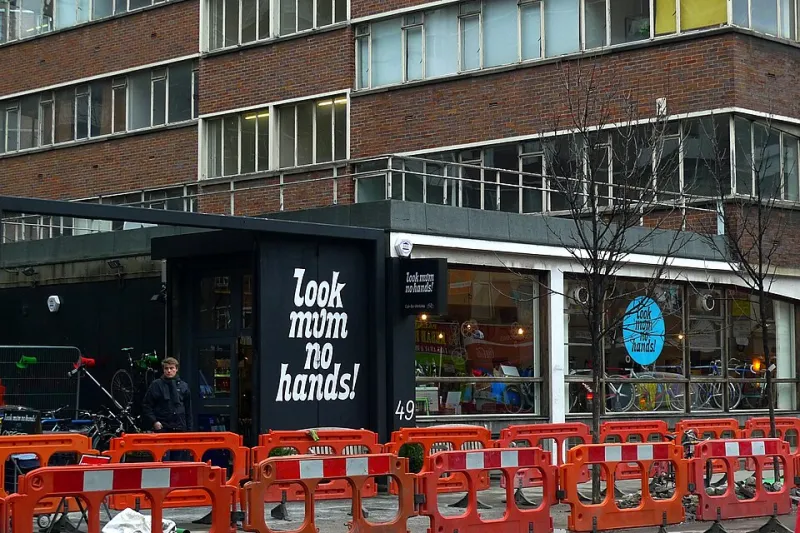
Photo: Ewan Munro from London, UK, CC BY-SA 2.0, via Wikimedia Commons
Why a four-figure sale is not just a bigger basket
A Bristol bike shop may take £2,400 for a custom build. A Clifton furniture retailer may take £3,800 for a sofa. A cosmetic clinic may sell a £1,600 treatment package, while a builder may ask for £5,000 as a deposit. The card machine is the same piece of equipment, but the payment is treated differently by the terminal, the acquirer and the card issuer. A decline at the counter is commercially awkward, and in a high-value sale it can mean losing the order altogether. Planning the payment process is therefore as important as planning the sale itself.
For Bristol independents moving into premium lines, the key is to understand where the limits sit, how the customer will verify the payment, and what happens if the first attempt fails. None of this needs to be complicated, but it does need to be checked before the customer is standing at the counter.
Transaction limits and floor limits
Every merchant account has a maximum transaction value, and many also have daily or velocity limits. These are set by the acquirer and, in practice, by the terminal provider. They are not the cardholder's spending limit. If your merchant profile assumes an average sale of £75, a £3,000 transaction may be flagged even when the customer has sufficient funds. Review your limits before a seasonal peak, a new product launch or a shift into higher-value work. Ask your provider to raise the per-transaction and daily ceilings, and confirm the change in writing.
A floor limit is the threshold above which a transaction must be authorised. Most modern terminals seek authorisation for every sale, so the floor limit is less visible than it once was, but it still exists in some configurations. It should not be confused with the contactless limit. The UK contactless card limit is £100, so a £1,200 sale cannot be completed by tapping a contactless card. Chip and PIN is the normal route. Mobile wallets may authenticate the customer on the device, but the terminal and merchant account limits still apply.
Verification at the point of sale
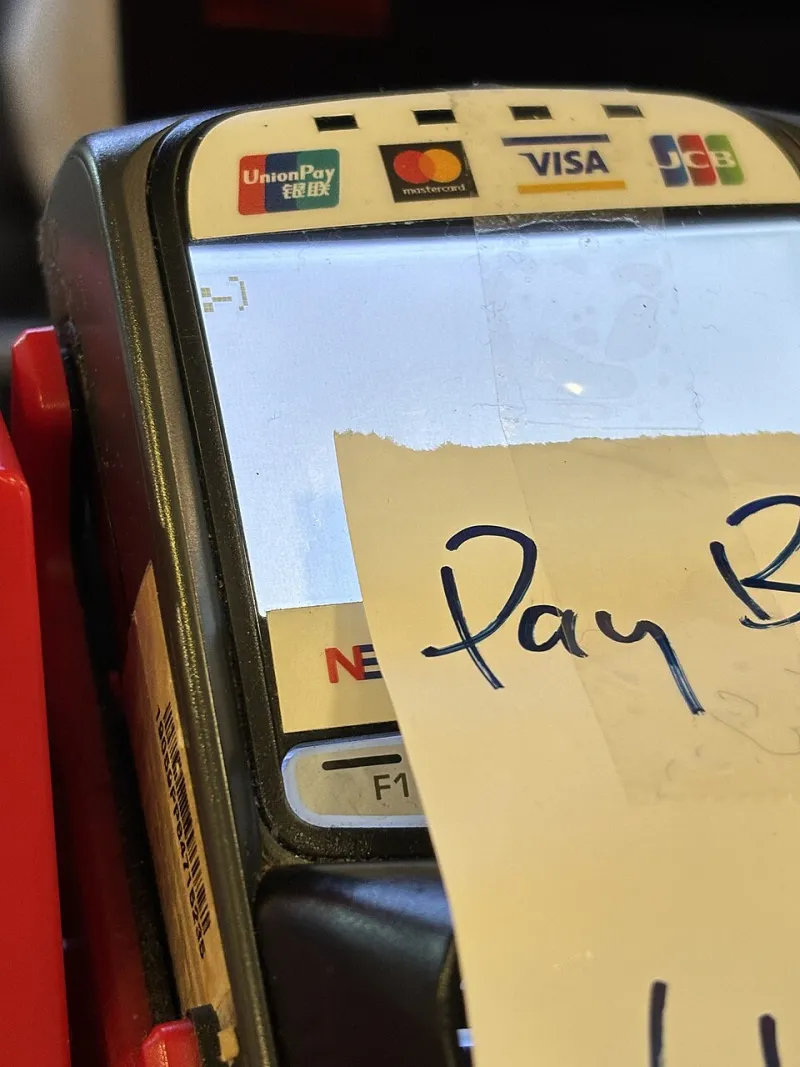
For high-value card-present sales, chip and PIN is standard. The terminal reads the chip and asks the customer for a PIN. Some cards, particularly commercial cards or foreign-issued cards, may prompt additional checks. Do not key in card details at the counter unless your provider permits it and you understand the higher chargeback risk. Keyed transactions are not chip and PIN, and they may be treated as card-not-present. For deposits taken over the phone, use a secure payment link with 3D Secure rather than writing down card numbers.
Staff should also know what to do if the terminal asks for a signature or another form of verification. These prompts are not a sign that something has gone wrong. They are part of the issuer's assessment of the transaction. The important point is to complete the terminal's instructions and keep the receipt.
Deposits: sale, pre-authorisation or payment link
A deposit is usually a payment against a future order. Process it as a card sale, issue a receipt and record it against the customer's order. If you need to hold funds without taking payment, a pre-authorisation may be possible, but holds expire and are not suitable for deposits taken weeks ahead. For building work deposits, a payment link or bank transfer may be more practical. Avoid storing card numbers. If you take a deposit and collect the balance later, use a fresh transaction or a secure payment link, and state the refund terms clearly.
High-value businesses should also decide whether a deposit is refundable, partially refundable or non-refundable, and make that clear before payment. A payment dispute is easier to handle when the terms were visible at the point of sale.
Part-payments and split tenders
High-value customers may want to pay across two cards, or with a combination of card and cash. A split tender means processing each card as a separate transaction and ensuring the total equals the sale value. Each transaction is subject to its own limits and authorisation. If one card declines, do not process the remaining amount until the customer has agreed how to proceed. Give separate receipts or a summary that clearly shows the split.
Arrangements where a customer pays a balance over several months are not ordinary card processing. They are a form of credit and should be handled through an appropriate finance provider. Do not use repeated card transactions as an informal instalment plan without proper records and customer consent.
When a payment is declined
Stay calm and keep the conversation private. Do not repeatedly retry the same card, because the issuer may block further attempts. Ask whether the customer has another card or payment method. Check the terminal's connectivity and, where available, use a backup terminal or mobile hotspot. For a genuine high-value sale, ask your acquirer whether voice authorisation is available. Record the authorisation code. Do not promise that the sale is complete until the terminal has approved it.
A written policy for deposits, refunds and failed payments helps staff respond consistently. It also protects the business if a customer later disputes what happened at the counter.
A practical checklist for Bristol high-ticket retailers
- Confirm the per-transaction and daily limits on your merchant account.
- Ask for higher limits if your average sale is rising.
- Ensure chip and PIN is enabled and staff know how to use it.
- Set clear deposit, balance and refund terms.
- Train staff on split tenders and declined payments.
- Keep a backup payment method and a charged terminal battery.
- Reconcile high-value sales daily, not weekly.
- Review PCI compliance and receipt storage.
High-value card acceptance is not about persuading the terminal to behave differently. It is about setting the account, the process and the staff expectations before the sale reaches four figures. For Bristol independents selling premium goods and services, that preparation is part of the commercial offer.