Reserving, Not Charging: How Bristol's Late-Night Venues Can Run Card Tabs Safely
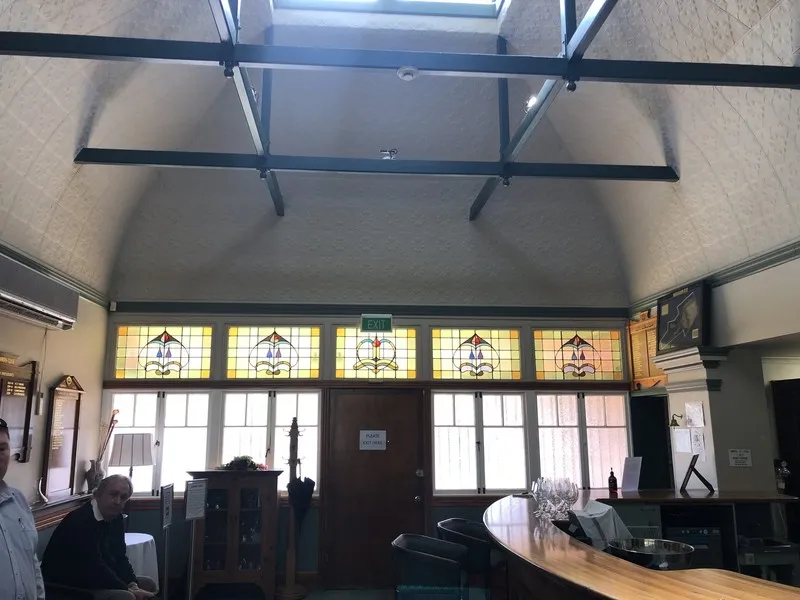
Photo: Heritage branch staff, Queensland Government, CC BY 4.0, via Wikimedia Commons
A crowded bar on a Friday night is an inefficient place to make financial decisions. Staff are pouring, customers are ordering in rounds, and the tempting shortcut — open a tab, sort it out later — transfers a small but real credit risk onto the business. For Bristol venues trading late on King Street, along Whiteladies Road or through the doors of a Harbourside music room, the card tab has become the default expectation. Managing it well is less about technology than about procedure.
What a pre-authorisation actually is
A pre-authorisation reserves an amount against the customer's available funds. No money moves to the venue at that moment. The card issuer sets aside the sum, the terminal reports an approval, and the bar is then entitled to capture up to that figure when the tab closes.
Three points follow, and every member of bar staff should understand them. First, the hold is not a charge, and a customer who checks their banking app mid-evening will see a pending amount rather than a completed transaction. Second, the final captured figure can be lower than the reservation; capturing £34 against a £50 hold is routine. Third, the reserve does not last indefinitely. Hold windows are set by the issuer rather than the terminal, and a tab left open across several days can find its authorisation quietly expired — at which point the venue is chasing a debt with no security behind it.
Releasing an unused hold is equally imperfect. A cancelled authorisation typically takes a few working days to disappear from the customer's statement, which is exactly the window in which a venue can acquire a poor reputation for reasons entirely beyond its control.
The cost of a hold
Pre-authorisation is priced in two parts, and both belong in the venue's cost model. There is usually an authorisation fee — a small fixed amount per transaction, in the region of a few pence at most providers, though it can rise where the terminal is unattended or the provider classes the transaction differently. There is then the ordinary processing charge on the amount eventually captured.
Where this becomes material is volume. A venue running two hundred tabs a week pays two hundred authorisation fees, plus any subsequent adjustments if the tab is amended partway through the evening. Some acquirers also apply the percentage charge to the authorised sum rather than the captured sum, which you will only discover by reading the schedule in the contract. The question to put to a provider is specific: what is charged when a £60 hold is captured at £41, and what is charged when a hold is placed and never captured at all?
For a venue weighing up whether tabs are worth offering, the honest comparison is between the authorisation cost and the walkout rate. A small bar losing one £45 tab a month is probably better served by a pay-as-you-go terminal. A venue running a hundred tabs a night has a different arithmetic entirely.
Where tabs fail in practice
Most tab disputes do not originate in the payment system. They originate at the moment the tab is opened, in a conversation that lasted four seconds.
A customer hands over a card and says "start a tab". Staff take the card, place it behind the bar and begin pouring. The customer later disputes the total, the card has been handled by six people, and there is no record of what was agreed. Alternatively, staff pre-authorise £30 for a group who then spend £90, and the conversation at the end of the night becomes an argument about a limit nobody explained.
A venue's exposure also extends beyond the bar. Table service via handheld terminals, common in Bristol's food-led pubs and upstairs music rooms, creates tabs attached to a table rather than a person. When the table is resat, the tab becomes ambiguous.
A workable staff procedure
The venues that manage this well tend to follow a short, consistent script. It is worth writing it down rather than leaving it to individual charm.
- State the hold clearly. "I'll reserve £50 against your card; we'll only charge what you spend." One sentence, said every time.
- Set the limit deliberately. A hold of £40 to £60 suits most small groups. Larger parties should be quoted a figure that reflects expected spend, not a default.
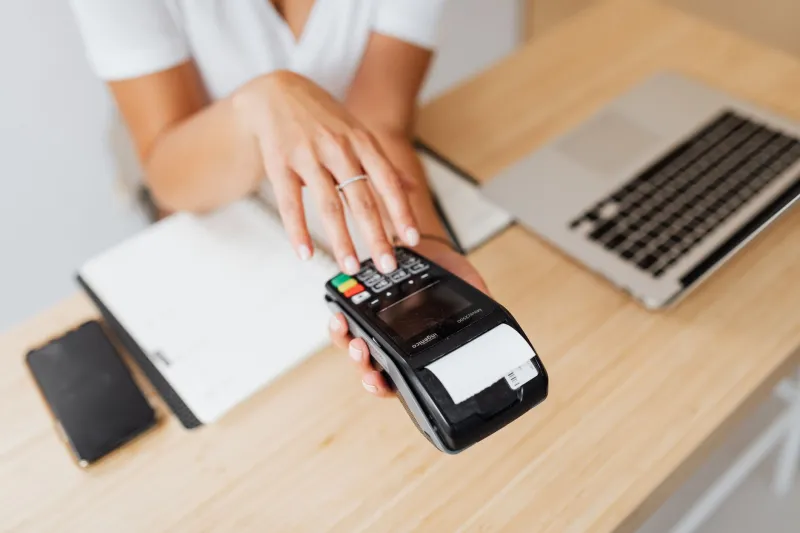
- Show the reservation on the terminal. Let the customer see the approval before the card goes behind the bar.
- Do not write down card numbers. Holding a physical card is a common practice; transcribing details onto a tab sheet is not, and creates a data protection problem the venue does not need.
- Close tabs in stages. Calling all tabs at once at 11pm produces a queue, abandoned drinks and disputes. A notice at a fixed time — twenty minutes before the kitchen or bar closes — gives groups a chance to settle calmly.
- Provide a receipt on capture. A printed or emailed slip showing the final figure removes most retrospective argument, and it is also the evidence a venue needs if a chargeback arrives.
Connectivity and the closing batch
Late-night trading puts pressure on infrastructure rather than staff. Basement bars and venues in older buildings often contend with weak mobile signal, which is why a fixed-line or dedicated broadband connection for the terminal matters more than it might appear. A tab that cannot be captured because the terminal has lost connection is a tab that may not settle until the following morning.
Closing the batch deserves the same attention. Card captures authorised on a Friday night may not appear in the venue's bank account until the following week, and pre-authorisations captured after a batch has closed will fall into the next one. Reconciling tabs against the till roll the next morning, rather than at the end of the month, catches discrepancies while the evening is still remembered.
When to say no to the tab
There are circumstances in which the simplest answer is a terminal that takes payment for each round. Pop-up bars, one-off events, venues with a single member of staff on the floor, and any site where connectivity is unreliable are all better served by pay-as-you-go. The same applies where the average transaction is modest and the queue is the binding constraint.
A card tab is a credit facility offered informally, and it should be offered only where the venue can service it properly. Bristol's late-night trade rewards venues that decide this deliberately — and that train staff to explain a hold in one clear sentence — far more than those that discover the arrangement's limits at half past midnight.